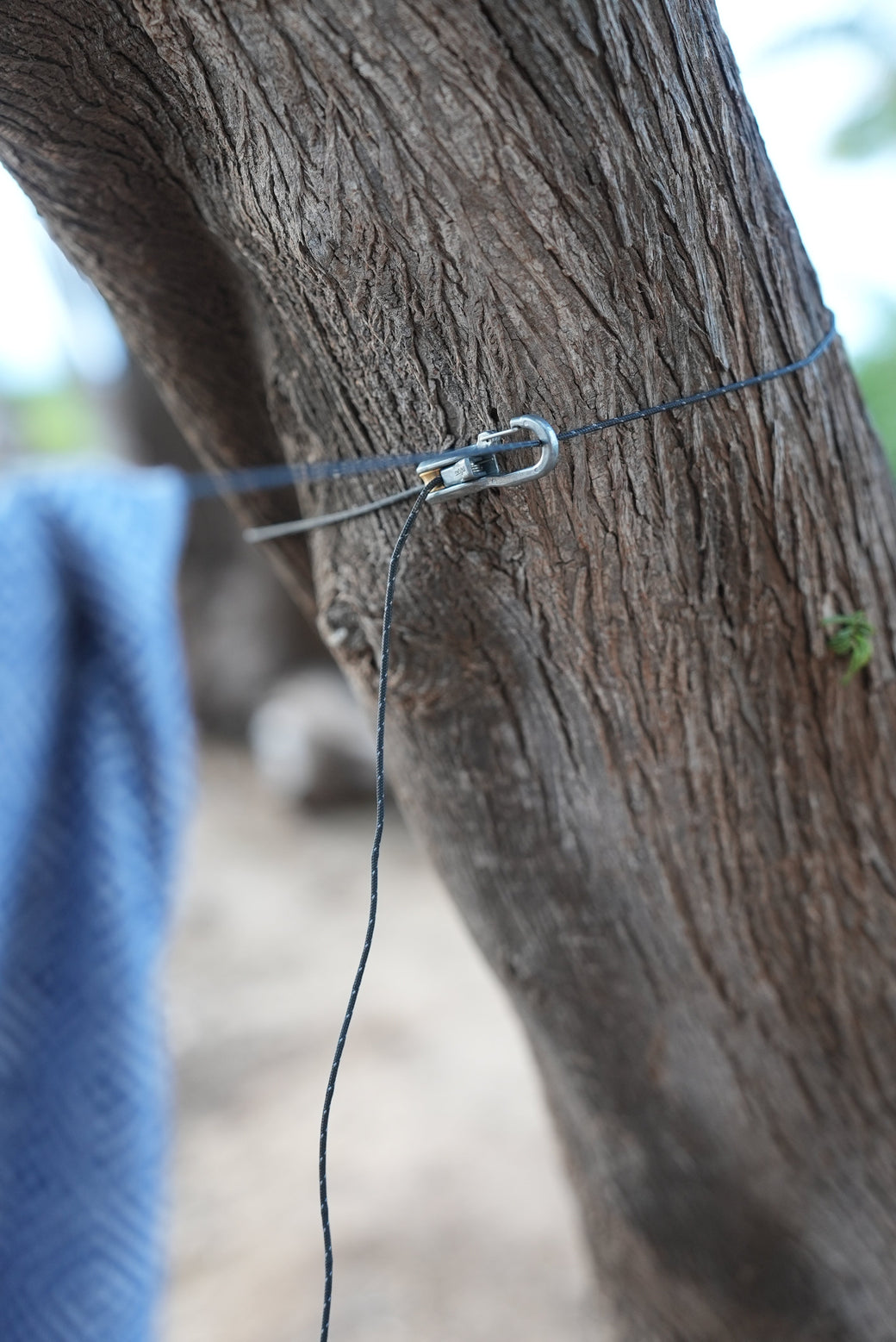


Some of the Rollercam team just wrapped a three-day run through the Green River's ABC sections — 26 miles of clear water, consistent rapids, and solid camping. Here's what we learned and what you need to know if you're planning your own trip.
Floating the Green River
The Green River below Flaming Gorge Dam is one of Utah's premier multi-day floats. Crystal-clear water flows through Red Canyon and beyond, with an estimated 11,000-15,000 fish per mile. The ABC sections offer three distinct experiences: Section A brings consistent Class II rapids, Section B features the trip's biggest rapid (Red Creek, Class III), and Section C mellows out for a slower, scenic float.
This trip requires planning. Permits for some campsites. Shuttle logistics. Flow monitoring. Gear that works. But when you dial it in, the river delivers.
How We Structured Our October 15-17 Trip
- Put-In: Spillway Boat Launch (below Flaming Gorge Dam)
- Take-Out: Swallow Canyon Boat Ramp
- Distance: ~26 miles
- Flow: 841 cfs (optimal range: 800-1,200 cfs)
- Duration: 3 days, 2 nights
New to river planning? Check out our River Planning 101 guide for permits, flow data, and shuttle logistics.
Section A: Red Canyon (3-4 hours / ~7 miles)
Section A starts at Spillway and runs through Red Canyon down to Little Hole. This is the most popular section for good reasons: crystal-clear water, high fish density, and consistent Class II rapids.
The Rapids: Near-continuous Class II boulder gardens keep you engaged. Nothing overly technical, but plenty of rocks to avoid. Mother-In-Law Rapid (marked with a sign on river right) is the biggest at Class II+. Stay alert and read your lines.
Camping: Not allowed in Section A. This is day-use only.
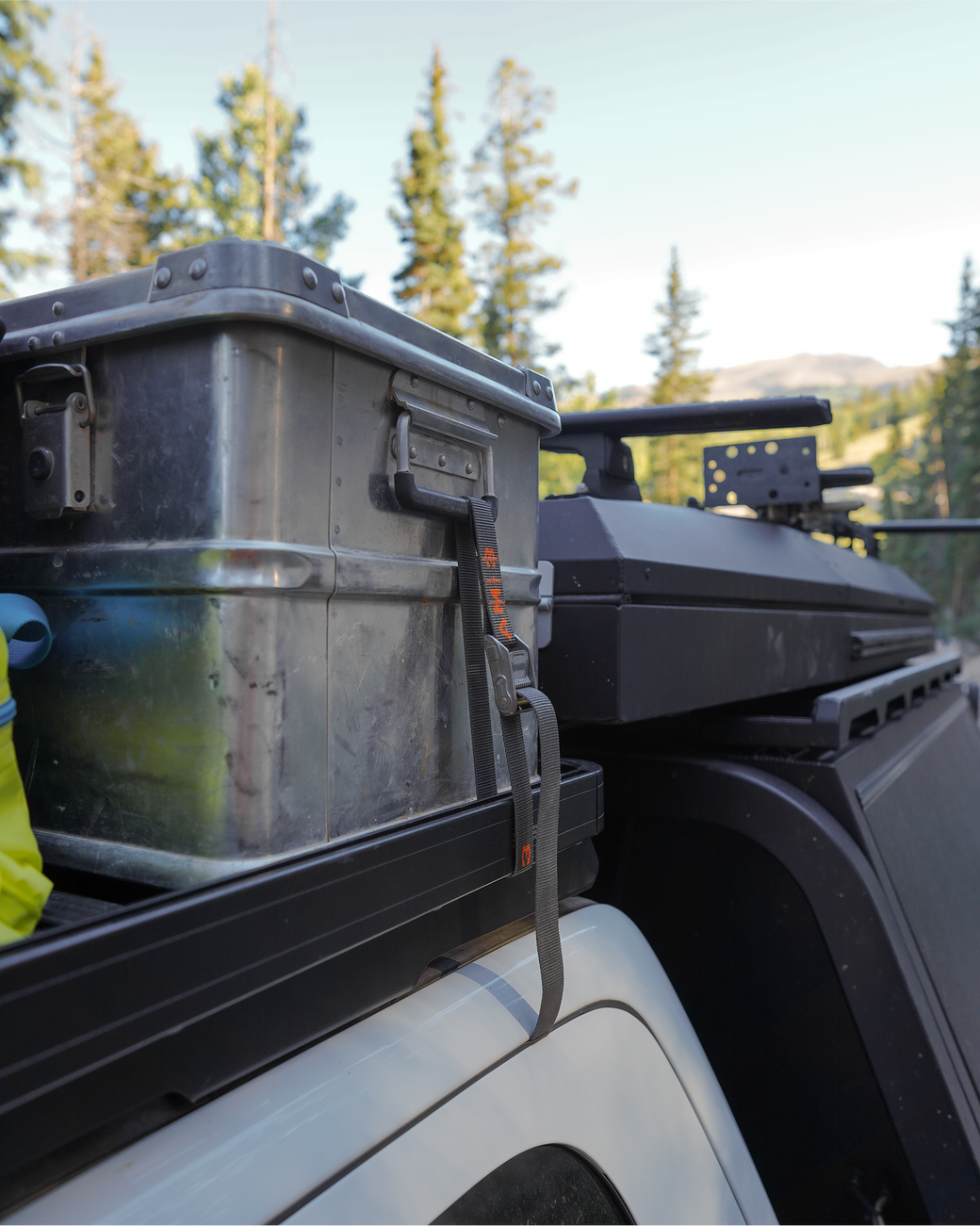
Gear Note: Dry bags and coolers take a beating in these boulder gardens. Everything needs to be secured properly — this is where tie-down systems prove themselves.
Section B: Little Hole to Indian Crossing (4-5 hours / ~8 miles)
Section B mellows after Little Hole, giving you time to take in the canyon and watch for rising trout. The gradient is gentler here, but don't get complacent — Red Creek Rapid is coming.
Red Creek Rapid: Class III. The biggest rapid on the Green River ABC sections. It's short, punchy, and easily scouted from river left. Most crews run it clean by staying left through the main channel. Not for complete beginners, but manageable for anyone with solid Class II-III experience.
Camping: Section B has the best designated campsites on the river. Reserve in advance online or at Little Hole Boat Ramp. We camped at Cottonwood (river left, 6th site) — flat, clean, and well-positioned.
Camp setup goes faster when gear is organized and straps don't slip. After a full day on the water, efficiency matters.
Section C: Indian Crossing to Swallow Canyon (5-6 hours / ~11.5 miles)
Section C trades rapids for scenery. The water slows considerably, the canyon opens up, and the fishing becomes more technical. This stretch reportedly holds larger fish, but they're harder to catch.
The Float: Mellow and slow. Swallow Canyon's walls are impressive and worth the float, but expect to row if you want to maintain momentum.
Camping: Designated sites available, plus dispersed camping options. Most sites include picnic tables and fire rings. The best spot we saw was river left, just before entering Swallow Canyon.
Take-Out: Swallow Canyon Boat Ramp (river left, immediately after the canyon). Don't continue to Swinging Bridge — the float is painfully slow.
Note: Multi-day exposure to desert sun tests gear. UV-stabilized materials matter when you're three days in.
Final Trip Thoughts
The Green River ABC sections deliver a solid multi-day river experience. Good rapids, quality camping, and manageable logistics make it accessible for crews with Class II-III skills.
Preparation matters. Know your flows, reserve your campsites, arrange your shuttle, and bring gear that works. When those pieces are dialed in, the river becomes what it should be — an experience worth repeating.
Planning Resources
Flow Data: American Whitewater (we ran at 841 cfs; optimal range is 800-1,200 cfs)
Shuttle Service: Western River Flyfisher Guides (555 S. Center Street, Dutch John, UT)
Weather: Check Dutch John forecasts
Permits & Camping:
- Section A: No camping
- Section B: Designated sites (reserve in advance online or at Little Hole)
- Section C: Designated sites + dispersed options
Season: Late spring through early fall (we went mid-October)
Fish: Rainbow and brown trout
Our Itinerary
Tuesday (Prep Day)
- Pull group gear and shop for food
- Rig boat
Wednesday (Travel Day)
- Schedule shuttle with Western River Flyfisher Guides (555 S. Center Street, Dutch John, UT)
- Drive to Deer Run Campground
- Stage gear for morning launch
Thursday (Launch Day)
- 9:00 AM: Arrive at Spillway Boat Launch
- Pay for car tag at fee box
- 10:30 AM: Put-in
- Float 15 miles through Sections A and B
- Camp: Cottonwood Campsite (river left, 6th site)
Friday (Take-Out Day)
- 9:00 AM: Break camp
- Float 11 miles through Section C
- 2:00 PM: Take-out at Swallow Canyon
- Drive back to Salt Lake City (arrive ~7:00 PM)
Our Menu (Gluten-Free)
Thursday
- Breakfast: Lox bagels (salmon, GF bagel, cream cheese)
- Lunch: Burritos (ham, cheese, greens, peppers, pickles, tomato)
- Dinner: Italian pasta & chicken (pesto, GF gnocchi, chicken)
Friday
- Breakfast: Breakfast sandwiches (eggs, bacon, cheese, GF bread)
- Lunch: Burritos
- Dinner: Takeout (on the drive home)
Snacks: Chips, dates & Nutella, carrots & hummus, Cuties, sparkling water, beef jerky
Condiments: Salt, pepper, mayo, mustard, hummus, butter
Our Gear List
Group Gear
- 16' raft with frame
- 3 oars (includes spare)
- Cooler & dry box
- Repair kit & pump
- Tie-down straps
- Satellite phone
- River map
- Ammo cans & Jerry cans
- 2 Paco Pads
- Honey bucket & Wag bags
- Camp stove, jet boil, propane
- French press & coffee
- Pot, cutting board, knife, cooking utensils
- Dish supplies (rags, soap, sponge)
- Trash bags & toilet paper
- First aid kit
- Tent
Personal Gear
- Nalgene
- Headlamp & chargers
- Sleeping pad & bag
- Bowl/plate & utensils
- River clothes & PFD
- Swim gear
- Camp clothes
- Sun hat & sunscreen
What Worked: Everything stayed dry and secure. Straps held through boulder gardens and Red Creek Rapid. No gear failures, no re-tightening mid-float.
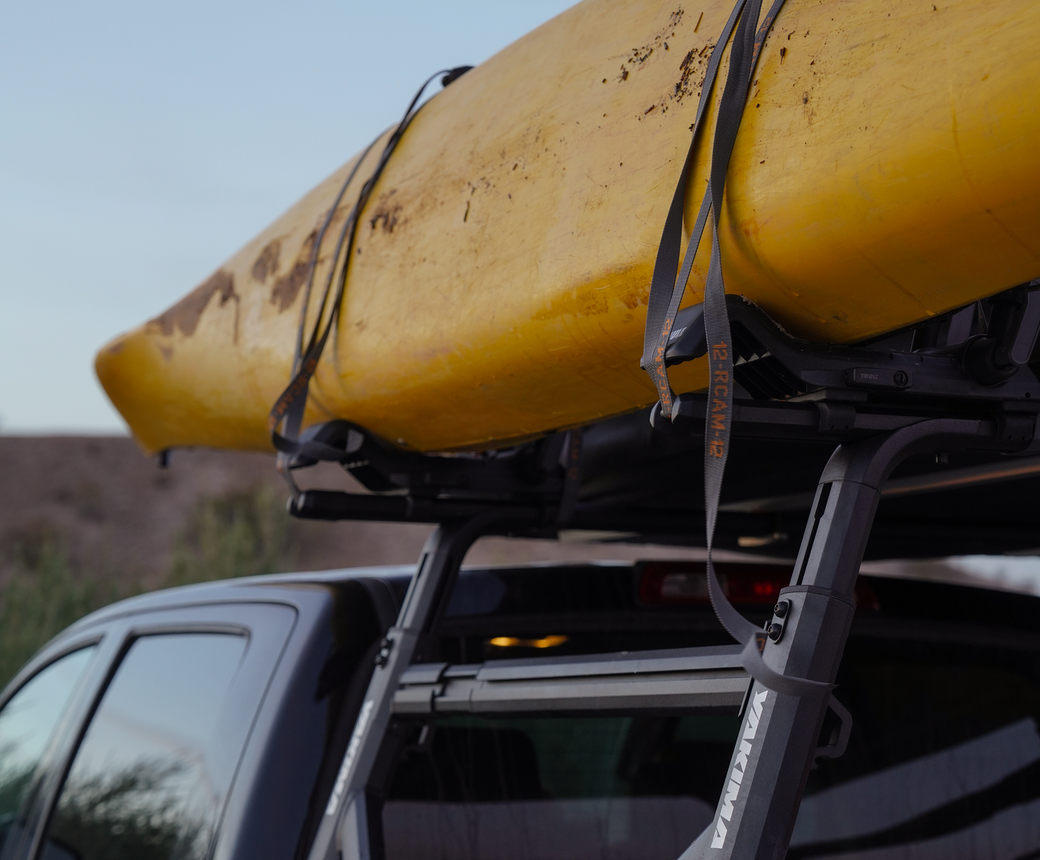
Need tie-down straps for securing rafts, coolers, and gear? You know where to shop.