

A Step-by-Step Guide
Summer is the perfect time to get outside and hit the water with your stand up paddle board. Whether you're heading to the lake, river, or ocean, knowing how to properly tie down a SUP to your car is essential for safe transport. This step-by-step guide covers the best way to secure a paddle board using Rollercam straps, along with common mistakes and pro tips to protect both your board and vehicle.
What you will need:
- A vehicle with crossbars
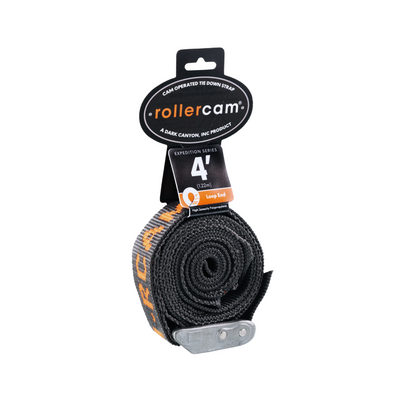
- 2 Rollercam Straps
- 12-foot 1" Straight End Strap
- Foam Pads or SUP Rack system for extra protection
- Optional Bow and Stern Lines
Step 1: Place the board in the center of your crossbars, parallel with the vehicle
It is best that the board is placed with the deck-side down with the fin of the board at the front of the vehicle. This is important because, in an emergency where the board begin to slide through a strap, the fin would prevent it from sliding off the car. Additionally this helps with aerodynamics and reduces stress during travel.
Common mistakes:
- The board is placed with the deck-side up, which could potentially damage the bottom of the SUP and the fin.
- The fin is placed at the back of the vehicle which could cause extra pressure to the fin box or loosen the fin. It also may cause the board to vibrate or shift more with an increase of drag and wind noise.
Step 2: Secure the SUP with your Rollercam Straps
- Place the Rollercam on top of SUP on the Driver side of the car
- Take the loose end of the cam strap and throw it to the passenger side and feed it underneath the roof rack crossbar.
- Bring the strap back up and over the stand up paddle board
- Repeat the process on the Driver side of the vehicle
- Grab your second strap and do this for both the front crossbar and the rear crossbar
This creates a secure loop that keeps the SUP firmly attached to the roof rack while distributing pressure evenly across the board.

Common mistakes:
- Instead of throwing the tail end over the SUP, the buckle is thrown over the top of the vehicle and cracks a window or damages vehicle paint.
Step 3: Thread and Tighten the Straps
Lace the tail-end of your Rollercam strap through the buckle and secure the boat. There should be little to no wiggle room however, be careful to not over tighten as it is possible to damage inflatable, epoxy or fiberglass boards.
- The Rollercam buckle is placed too low on the paddle board so that when tightening the buckle slips under the SUP, which will prevent adequate tightening.

Pro-Tip:
- Before lacing your strap the buckle, twist the webbing which will help with wind noise while driving.
- Daisy chain the excess webbing to prevent the straps from hitting the vehicle while driving.
Step 4: "Shake-Test"
The shake test helps account for any minor shifts between the SUP and the car, retighten as needed.
Pro-Tip:
- It's recommended to check your set-up about 10-minutes into your drive to make sure everything is secure before entering onto a highway.


